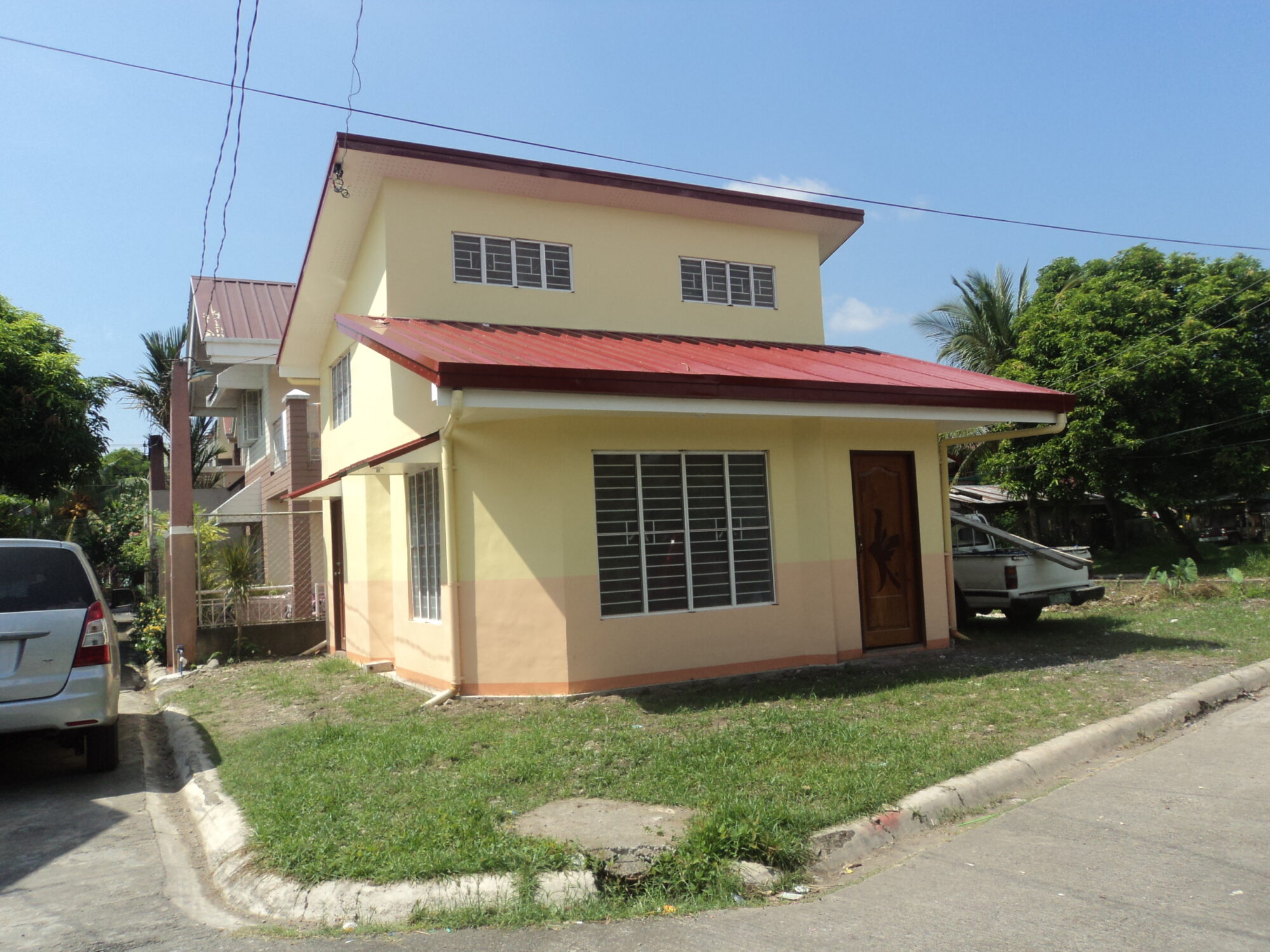
Residential construction must balance structural performance, occupant safety, architectural appeal, and long-term durability.
Many conventional residential construction systems require compromises between aesthetics and resilience. Quik Blox Engineering Solutions addresses both objectives through the integration of material science, structural engineering, mathematical analysis, and geometric design.
The Quik Blox system utilizes precision-engineered modular components that support a wide range of architectural forms while simultaneously enhancing structural resistance to environmental hazards.
This combination of structural performance and design flexibility allows the residential construction to achieve an aesthetically appealing visual distinction without sacrificing resilience in regions exposed to natural and man-made disasters.
The Engineering of Residential Construction
The engineering foundation of the Quik Blox residential construction stems from the relationship between material strength and structural geometry.
Concrete possesses exceptional compressive strength and provides a durable foundation for residential construction.
Strategic geometric configurations transform this material strength into structural performance through controlled force distribution and efficient load transfer.
The resulting residential constructions do not rely solely upon mass or material volume. Instead, they utilize mathematically engineered designs that direct the forces throughout the entirety of the structural system.
The Challenges of Residential Design Principles
This principle becomes particularly important in residential construction because homes encounter a wide range of environmental forces throughout their service lives. Wind loads, seismic forces, flood pressures, impact events, soil movement, and debris strikes create complex stress conditions.
Effective structural systems must manage all these forces without compromising habitability or architectural character. Quik Blox achieves this objective through interlocking geometries that create continuous load paths and distribute the stresses across multiple structural elements.
Geometric Diversity in Residential Homes
The geometric diversity of the Quik Blox system provides exceptional architectural flexibility. Designers can create straight walls, deep and shallow angled walls, terraces, retaining structures, elevated platforms, landscape features, and complex architectural forms using the same underlying engineering principles.
This versatility allows new residences to reflect local architectural traditions, individual preferences, and site-specific requirements while maintaining structural integrity in a safe and secure environment.
Architectural beauty often emerges from basic design principles like proportion, texture, form, and spatial composition. Modular engineering systems sometimes limit these characteristics through rigid design constraints. Quik Blox addresses this challenge through geometric adaptability.
The system supports a broad range of configurations that allow architects and builders to create residences with a distinctive visual character. Curvilinear forms, terraced elevations, integrated landscape elements, and sculptural structural features can contribute to visually appealing residential environments without introducing structural weaknesses.
Safe and Secure Residential Construction
The relationship between geometry and resilience becomes increasingly significant in vulnerable environments.
Coastal residences face wave action, storm surge, erosion, and hurricane forces.
Mountain communities confront landslides, slope instability, and runoff events.
Seismic regions require structures that can accommodate dynamic ground movement.
Flood-prone areas demand effective management of hydraulic forces and water flow.
Quik Blox configurations can address all these conditions through site-specific geometric arrangements designed for easily identified local hazards.
Vulnerable Environments and Residential Construction
Hydrodynamic mitigation expressly illustrates this capability. The strategic structural geometries can redirect water flow, reduce erosive forces, and dissipate hydraulic energy before it reaches critical structural components.
Coastal and waterfront residences therefore benefit from protective features that integrate directly into the structural design rather than relying exclusively upon external protective systems.
Seismic resilience also depends heavily upon geometry and force management. Structures must transfer dynamic forces through predictable load paths while limiting stress concentrations. Interlocking structural systems can promote distributed force transfer and improve overall stability during ground motion events. The resulting structural behavior reduces vulnerability to localized failures that may otherwise compromise residential safety.
Redundancy in Residential Resilience
Redundancy further enhances residential resilience. Multiple load paths allow structures to maintain stability even when individual components experience damage. This characteristic improves structural reliability during extreme events and contributes to greater protection of occupants and property.
The absence of conventional mortar joints provides an additional structural advantage. Traditional masonry systems often develop stress concentrations along mortar joints because these interfaces frequently represent the weakest elements within the wall assembly. Cracking commonly initiates and propagates through mortar joints under seismic loading, impact forces, differential settlement, and other dynamic conditions.
Quik Blox eliminates these continuous mortar interfaces and replaces them with precision-engineered interlocking geometries. This design reduces the number of inherent stress concentrations throughout the residential design and promotes more uniform force distribution.
Strategic steel reinforcement further strengthens this performance by creating continuous structural connections that transfer loads throughout the building envelope. The combination of interlocking geometry and engineered reinforcement improves structural continuity, increases resistance to crack propagation, and enhances the ability of the structure to withstand extreme loading events.
These characteristics collectively contribute to improved occupant safety, greater structural security, and reduced vulnerability to catastrophic failure even in modest residential homes.
Specificity in Residential Construction
The modular nature of Quik Blox also supports adaptation to unique site conditions and more specifically in regards to both known and potential localized hazards. Engineers can develop residential design configurations that respond directly to local hazards, environmental conditions, topography, and performance requirements. This capability allows each residential design to reflect the specific challenges of its location rather than relying upon standardized solutions that may not address local risks effectively.
Long-term residential value depends upon both performance and appearance. A structure that survives environmental hazards but lacks aesthetic appeal may fail to satisfy homeowner expectations. Conversely, an attractive structure that cannot withstand foreseeable hazards presents significant risks.
Quik Blox Engineering Solutions bridges this divide by integrating architectural flexibility with scientifically grounded structural design. The system enables residences that achieve visual distinction while incorporating disaster mitigation directly into the structural framework.
The combination of material science, mathematical analysis, structural engineering, and geometric diversity makes Quik Blox particularly well suited for residential construction. The system supports the creation of attractive and highly individualized homes while addressing the environmental realities of vulnerable locations.
The importance extends beyond construction methodology because it demonstrates how engineering and architecture can function as complementary disciplines rather than competing priorities.
Perhaps the greatest strength of Quik Blox residential construction lies in its ability to unite beauty, adaptability, and resilience within a single structural approach, creating residential environments that remain both visually compelling and functionally protective in regions where natural and other disasters represent persistent concerns.